Residential Recycling
CVWMA coordinates the residential recycling program for 200,000 homes in Central Virginia.
Residential Recycling

CVWMA Programs
The Central Virginia Waste Management Authority (CVWMA) is a public service authority that implements solid waste management and recycling programs for 13 local governments.
Core programs
CVWMA coordinates the residential recycling program for 200,000 homes in Central Virginia.
Residential Recycling
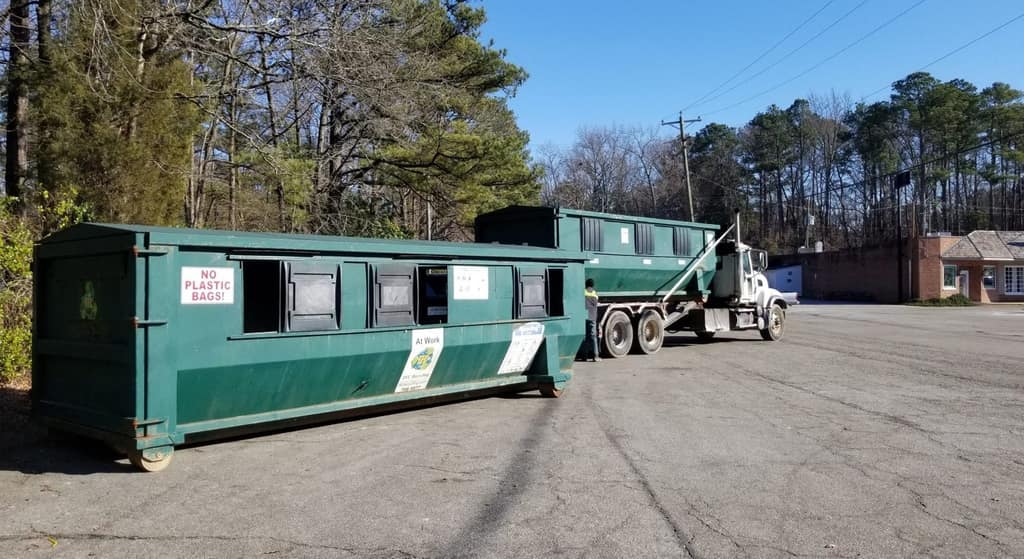
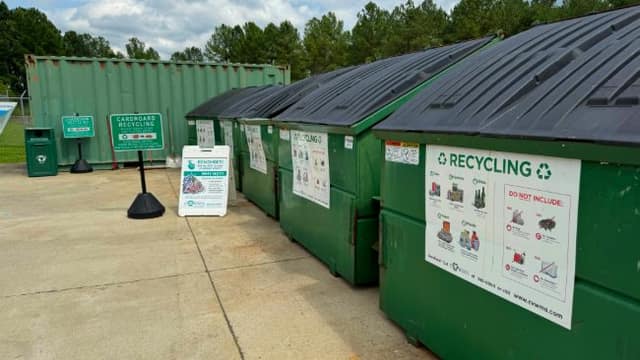
Central Virginia offers many drop-off recycling sites for residential use. Some sites are located at local convenience centers, while others are at public parks or fire stations.
Find a site
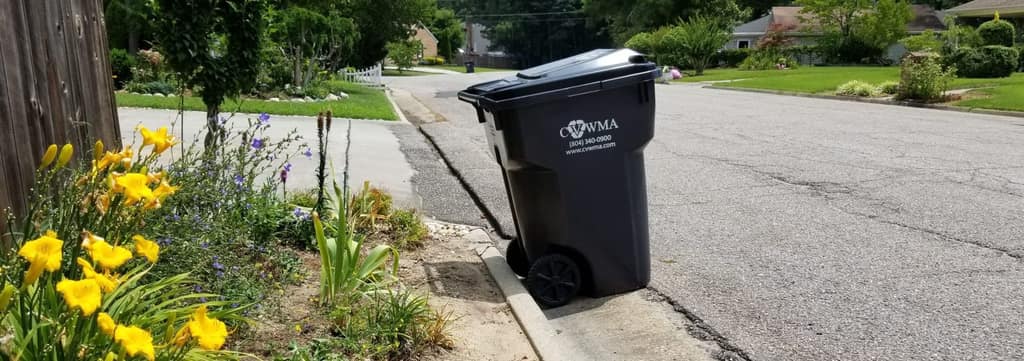
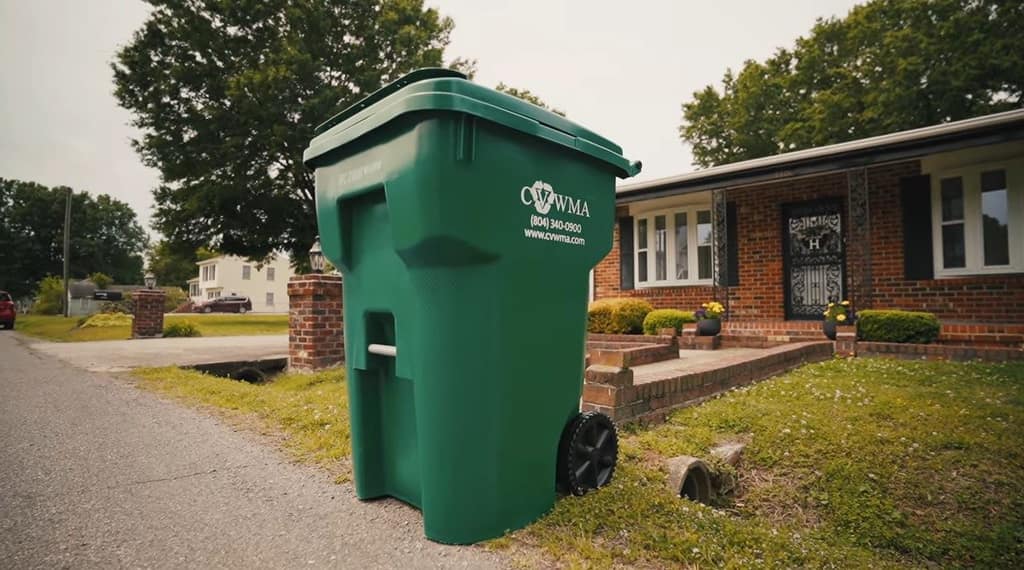
Trash collection services vary depending on your location but may include residential trash, collection centers and bulk pickup.
Trash Collection
Appliances/Scrap Metals, Batteries, Paint, Auto Fluids, Oils, Propane Tanks, Textiles, Tires and Yard Waste.
Other programs
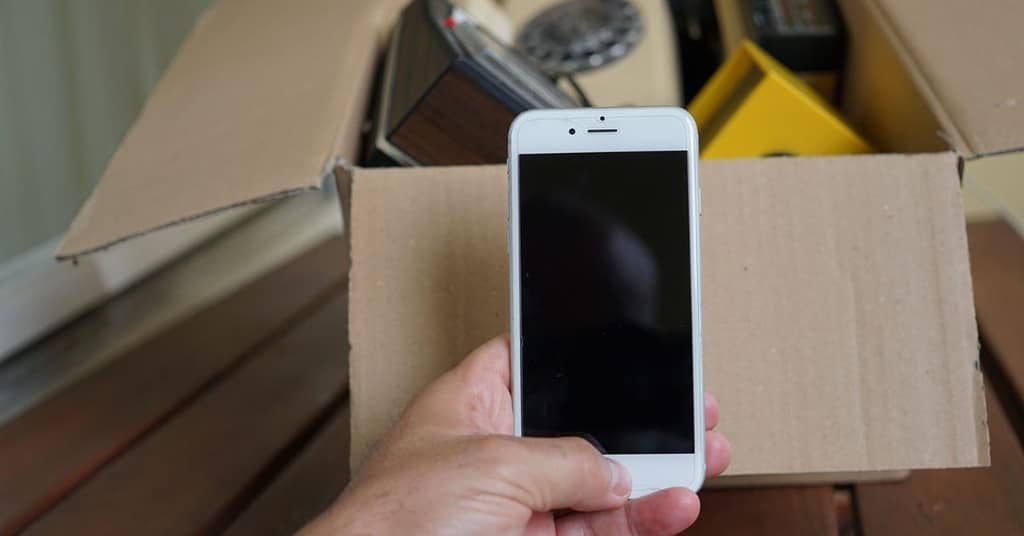
E-cycling drop-off on the first Saturday of every month. Open to the public.
Electronics Recycling
Additional CVWMA Programs
Programs offered through participating member localities.
Assorted scrap metal and used appliances are collected by participating jurisdictions at their public use areas, solis waste convenience centers or transfer stations. Residents that receive weekly trash collection through the CVWMA Residential Trash Collection programs can place items at the curb for pick-up. Curbside pickup has certain guidelines. The items are then transported to metal processors in the area for recycling.
CVWMA has programs that provide residents with the means to recycle rechargeable and lead acid batteries. Button batteries and alkaline battieries, the common household variety, can be thrown in the trash.
Check the Recycling Wizard to see what products you can dispose of where you live.
The CVWMA Safe Garage program was established to help residents properly and safely dispose of household hazardous materials and liquids (HHW) from the home. Residents can properly dispose of a number of chemicals including automotive fluids and paint-related waste in the Category 1 labeled containers located at designated collection sites within CVWMA member localities. Locality on-site personnel are available to provide assistance if needed. Not all sites accept all materials.
Check the Recycling Wizard to see what products you can dispose of where you live.
This program was created in response to a change in regulations regarding propane tanks that went into effect in 2002. Safety standards for tanks now require a new valve style to help prevent the accidental overfilling of tanks. Tanks without the overfill protection device cannot be legally refilled. Tanks sized from 4 to 40-pounds capacity were affected by the regulation. This includes the 20-pound tanks commonly used for gas grills.
CVWMA has partnered with Goodwill of Central Virginia to promote textile recycling. Large blue collection bins or a Goodwill trailer have been placed at several area convenience centers making it easy for residents to donate their unwanted textiles for reuse instead of tossing them in the trash. Materials collected include clothing, shoes, belts, purses and any other textiles.
Check the Recycling Wizard to see what products you can dispose of where you live.
Through the CVWMA Waste Tire Program, residents in participating jurisdictions can take used tires to designated public use areas, solid waste convenience centers, and transfer stations year-round. Depending upon the location, residents may pay a nominal fee for disposal of used tires. Collected tires may be burned for fuel or shredded into a mulch-like product.
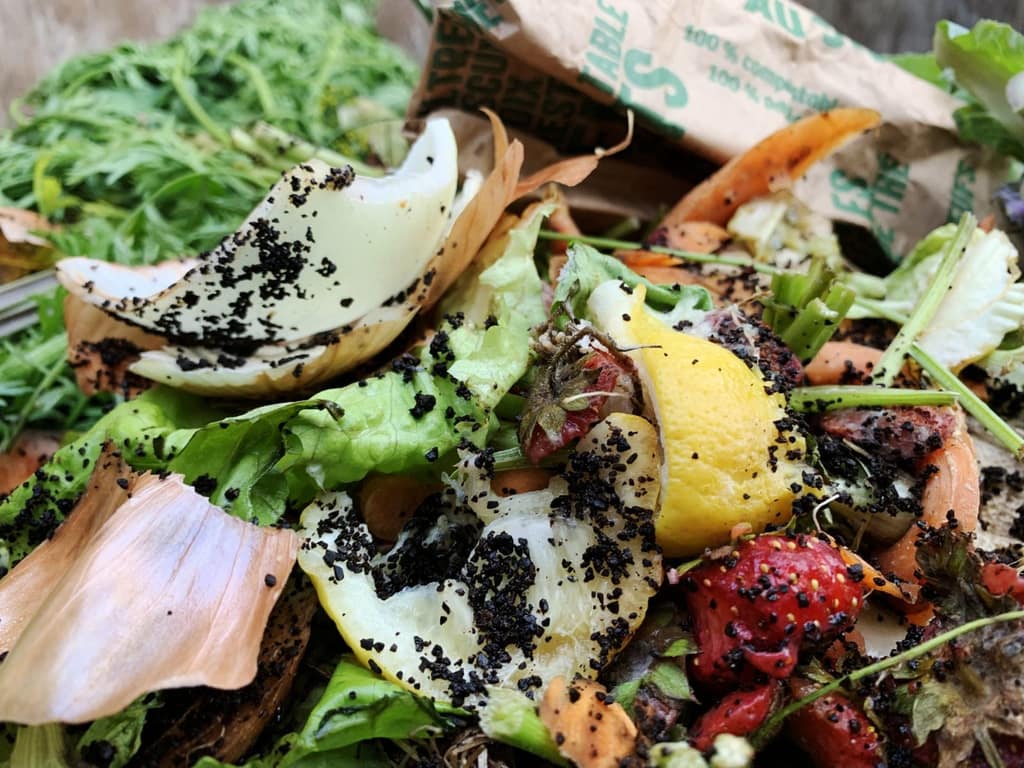
Many localities have yard-waste collection points at local public use areas, solid waste convenience centers and transfer stations. The collected material is ground into mulch, which the locality may provide to residents free of charge or for a small fee or use the material for civic landscaping projects. CVWMA also recommends Composting as an option.
CVWMA also provides debris management and monitoring service contracts on behalf of all 13 localities. These contracts can be activated before, during or after an event, such as a hurricane, tornado etc where a significant amount of vegetative debris is generated. Annually, CVWMA holds a workshop for local and state personnel that serves as both a refresher of services available as well as provides information on new topics and updates on any new guidance from FEMA, VDEM or other regulatory agencies.
Data
Program statistics and the Regional Recycling Rate are published in the CVWMA Data Center.